
When we talk about metal wire, the image that usually springs to mind is that of a round cross-section. However, many of the precision components we use every day, from springs to electrical connectors, are made from a completely different type of wire: flat wire. It is a less well-known product than strip or round wire, but it plays a very specific role in stamping, forming and the manufacture of technical components.
What is flat wire?
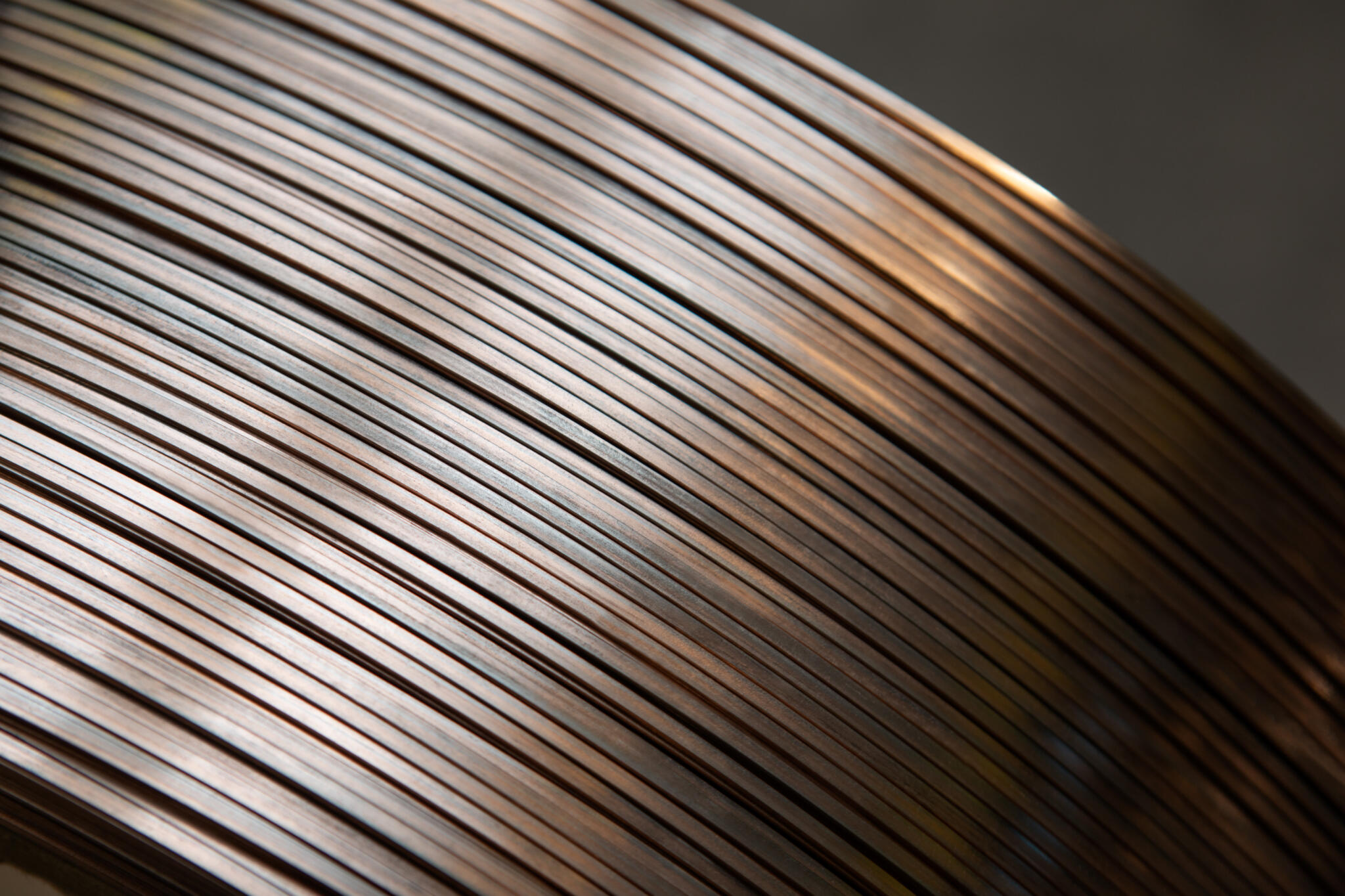
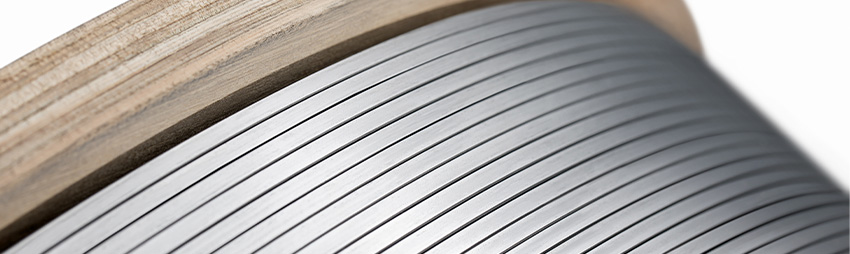
Flat wire is a product with a rectangular cross-section, produced from round wire or rod through a cold-rolling process that progressively flattens the material until it reaches the required thickness and width, with tight dimensional tolerances. Unlike strip, which is obtained directly from a sheet metal coil by longitudinal cutting, flat wire is produced from a pre-drawn wire, which gives it mechanical properties and a uniform cross-section that are particularly well-suited to small-format parts with high dimensional precision requirements.
A key technical aspect is the type of edge with which it is supplied: sheared (slit), rolled-beveled, machined to a rounded edge, or special finishes to specification. The choice of edge is no minor detail: it determines the material’s behaviour in subsequent forming, coiling or welding processes, as well as safety during handling.
Grades of flat wire
Flat wire is manufactured in a wide variety of grades, tailored to each type of application:
- Hard-drawn steel, in the SL, SM, SH, DM and DH series in accordance with EN 10270-1, designed for springs subjected to static or dynamic stresses of varying intensity.
- Oil-hardened steel, for applications requiring greater mechanical strength and stability following forming.
- Stainless steel (series 1.4301, 1.4307, 1.4310, 1.4404, 1.4401 and others), where corrosion resistance is required.
- Uncoated low-carbon steel, for applications where formability is paramount.
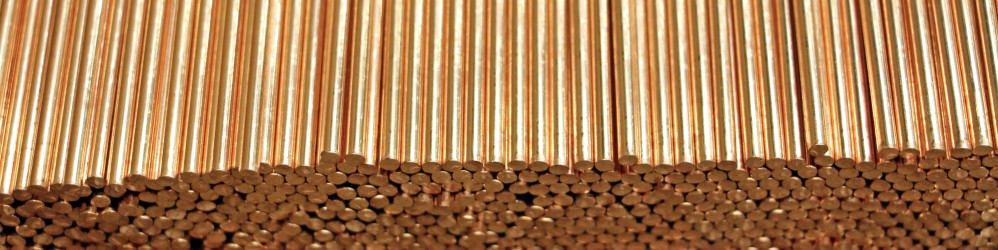
- Non-ferrous materials: copper (Cu-ETP, Cu-OF), brass, bronze and aluminium, as well as other alloys such as titanium, Monel, Inconel, Hastelloy, zinc, lead, tungsten or Cr-Ni-Fe-Al, for electrical, electronic or highly specialised applications.
The material can be supplied in various hardness conditions, ranging from annealed to spring-hard, and with specific surface finishes (standard soap finish, special soap finish, bright, matt nickel-plated or bright nickel-plated) depending on the subsequent processing required for the application.
Applications of flat wire
Flat wire is used in cases where a rectangular cross-section offers advantages over round wire: greater contact area, better performance in compact winding or ease of flat forming. Among its most common applications are:
- Flat-section springs, including compression, tension and torsion springs, where the rectangular geometry allows for optimised space utilisation or improved elastic behaviour compared to round wire.
- Stamping and forming of precision automotive components: clips, terminals, small structural parts and fasteners.
- Electronics and electrical components, where it is used in connectors, contacts and conductive parts requiring good conductivity and dimensional stability.
- Household appliances, in mechanisms, springs and small metal components.
- The energy sector and the manufacturing industry in general, for technical parts that combine mechanical strength and dimensional precision.
Supply formats
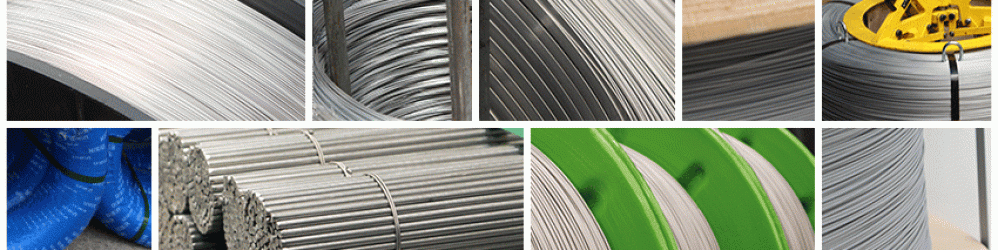
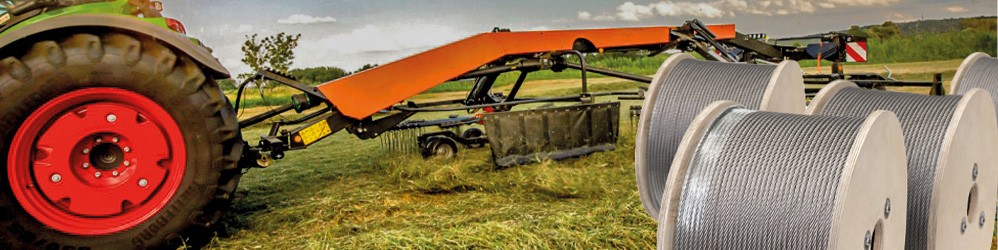
Flat wire is usually supplied in coils, on plastic or metal reels (in various standard diameters), on hangers or as rods for specific lengths and diameters, with the packaging adapted to the customer’s subsequent processing requirements and to transport and storage conditions.
Our perspective at VINCO
At VINCO, we have our own rolling capacity for the manufacture of flat wire, which enables us to cater for both standard cross-sections and bespoke designs based on the customer’s drawings. We work with sectors such as the automotive, electronics, electrical components, energy, spring manufacturing ( ), household appliances and the manufacturing industry, combining a wide range of grades and formats with the supply reliability required by mass production processes.